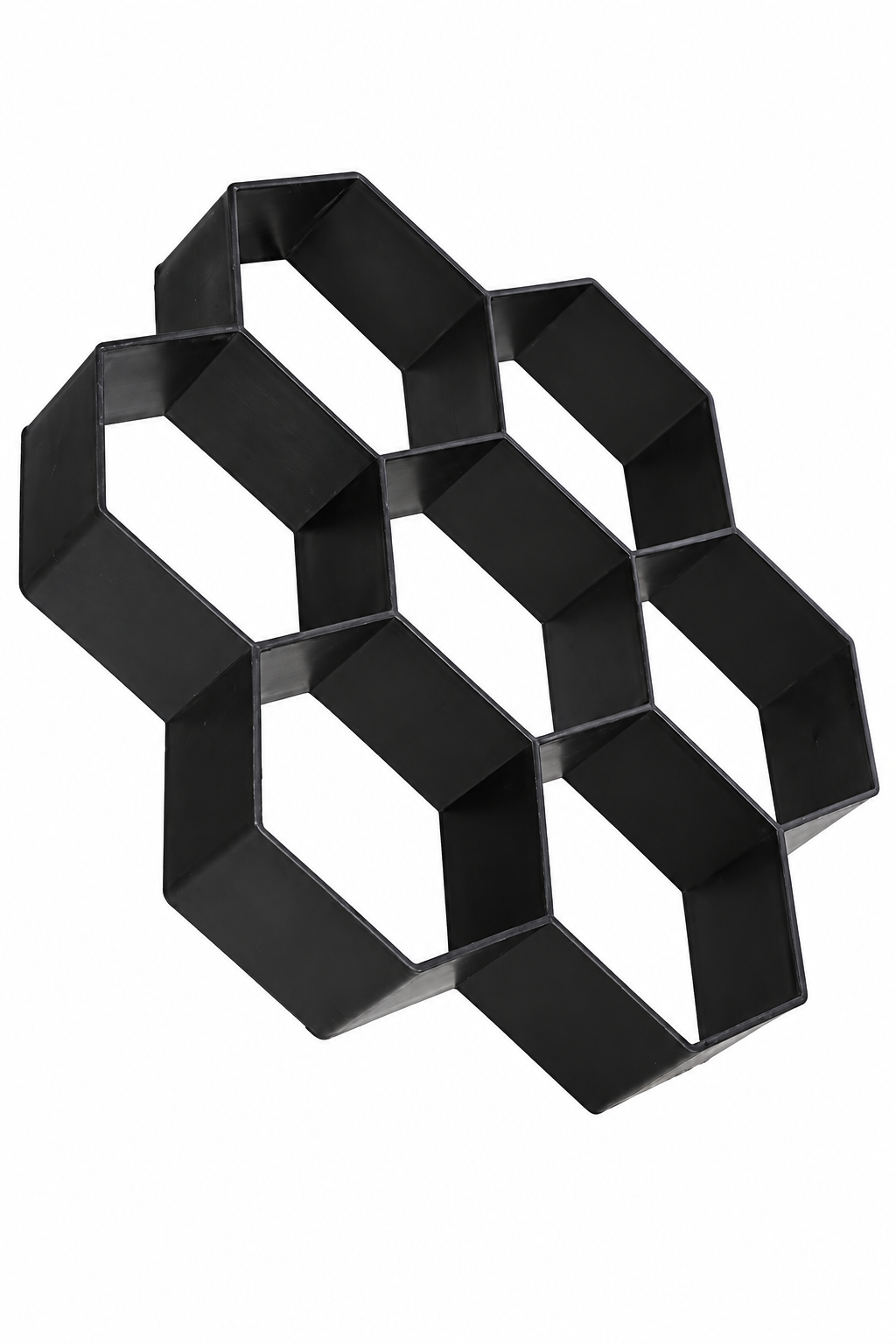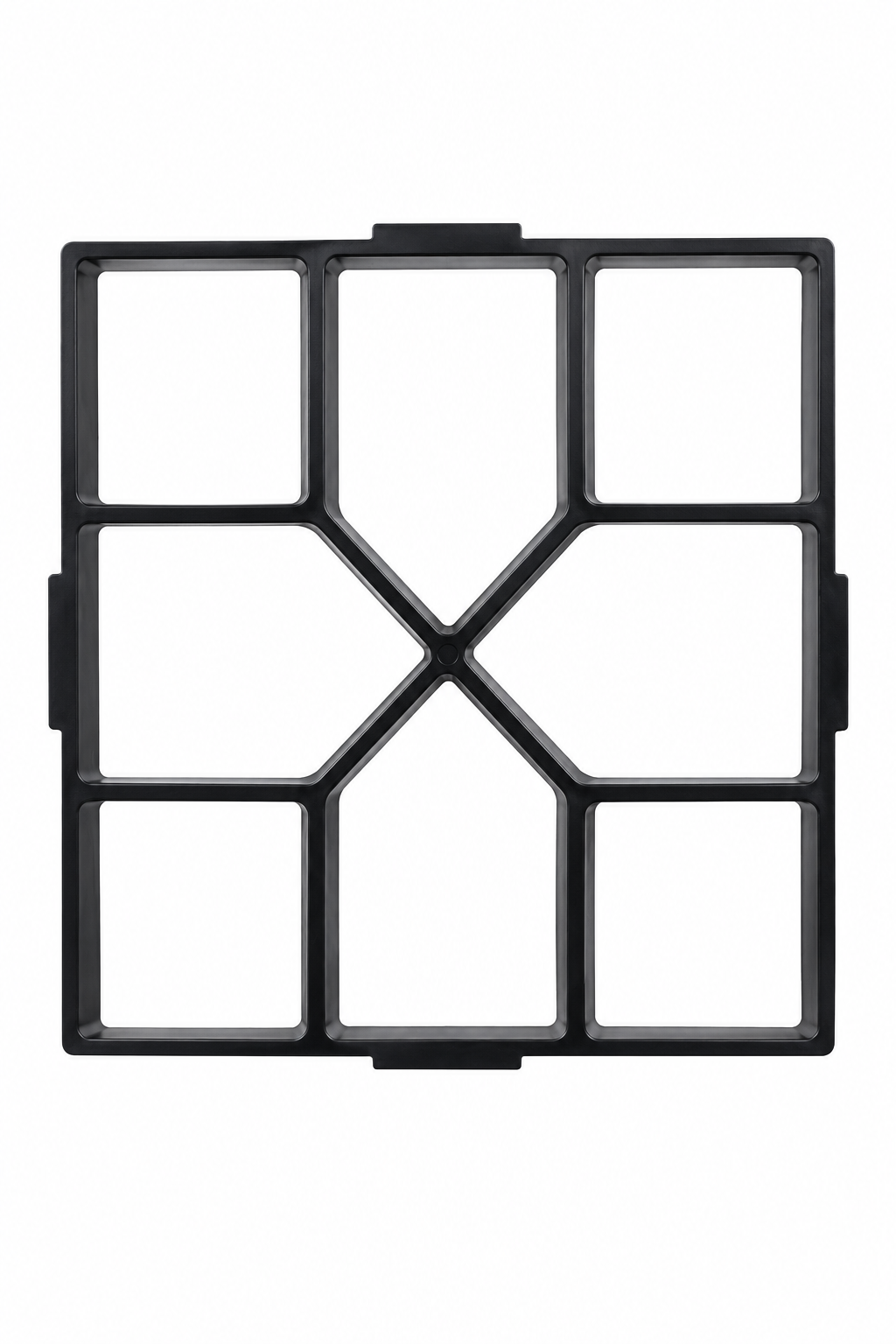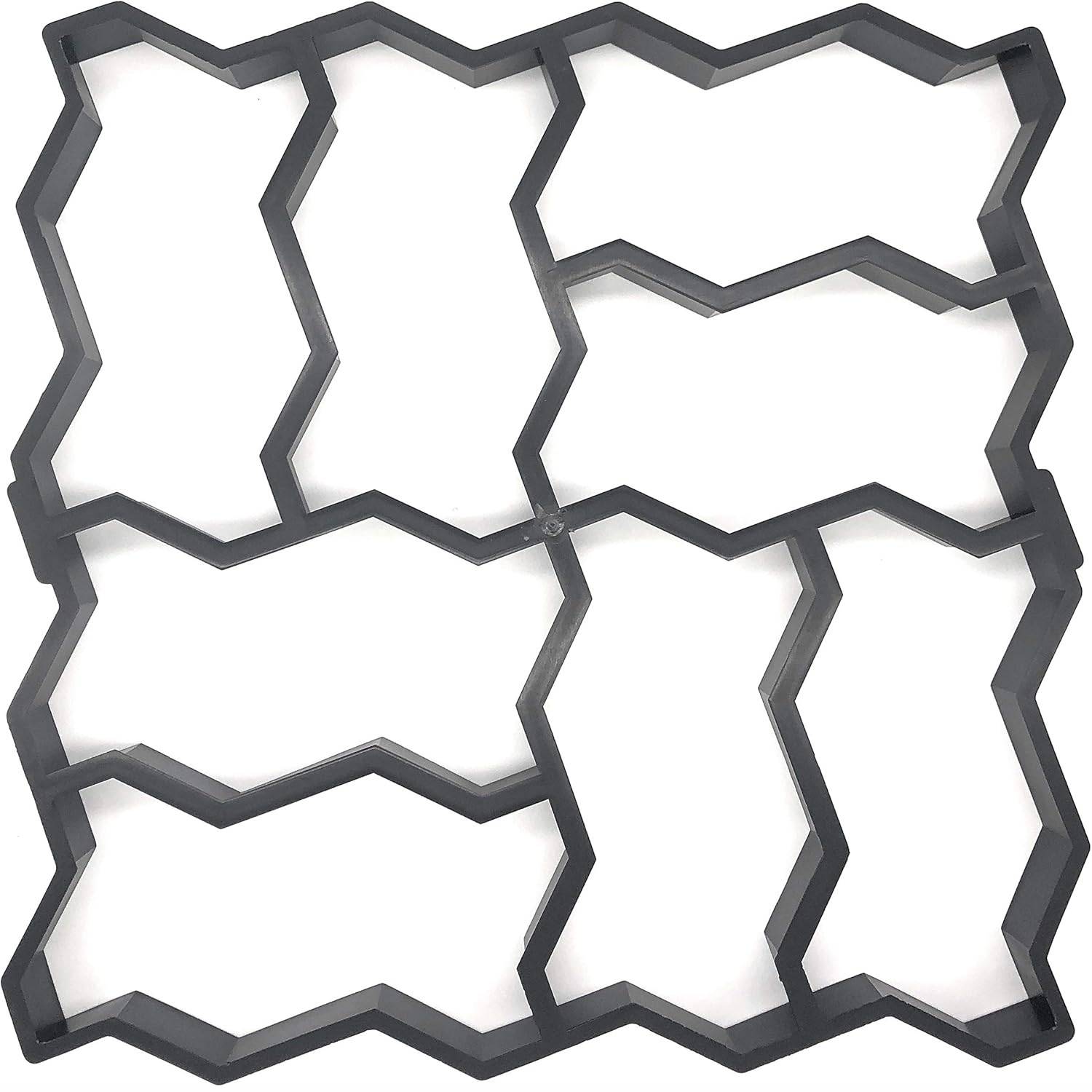
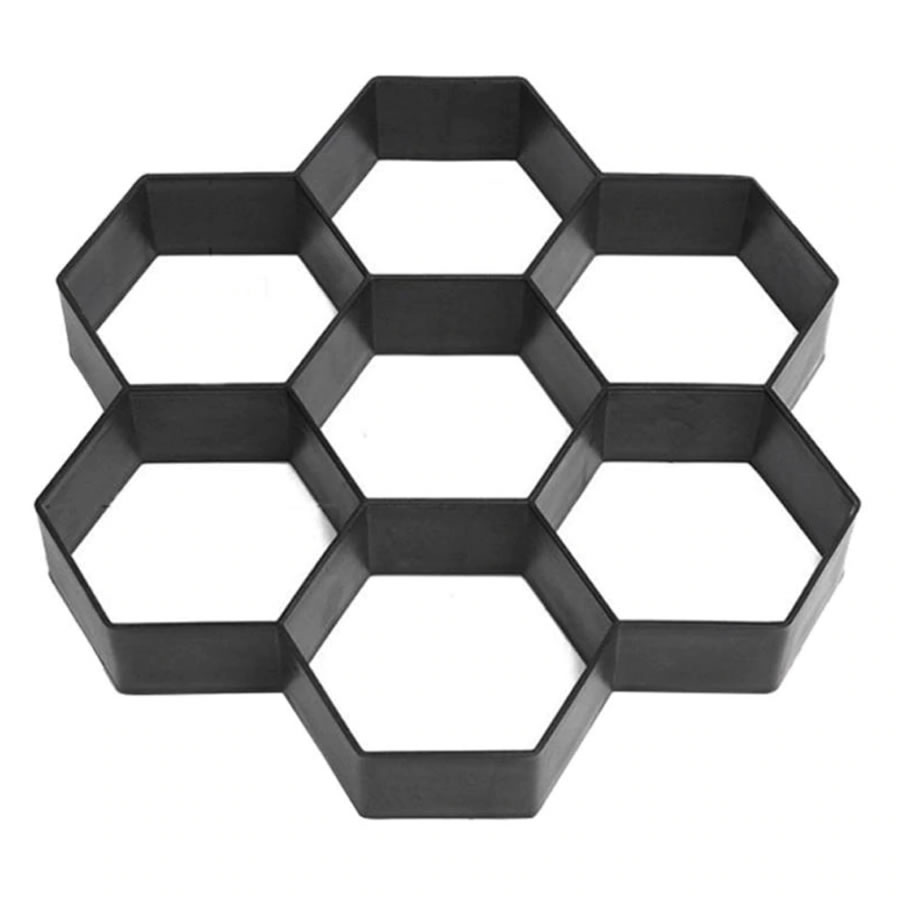
Premium Concrete Paver Moulds & Accessories for DIY & Professional Use

Elevate your landscaping projects with our durable, easy to use concrete paver moulds and accessories, perfect for creating custom driveways, patios, pathways, & more.

Whether you’re a DIY enthusiast or a professional, our moulds make it simple to achieve polished, professional looking results every time.

Browse our collection today & start building your dream outdoor space!

Fast shipping direct to your door all across the USA
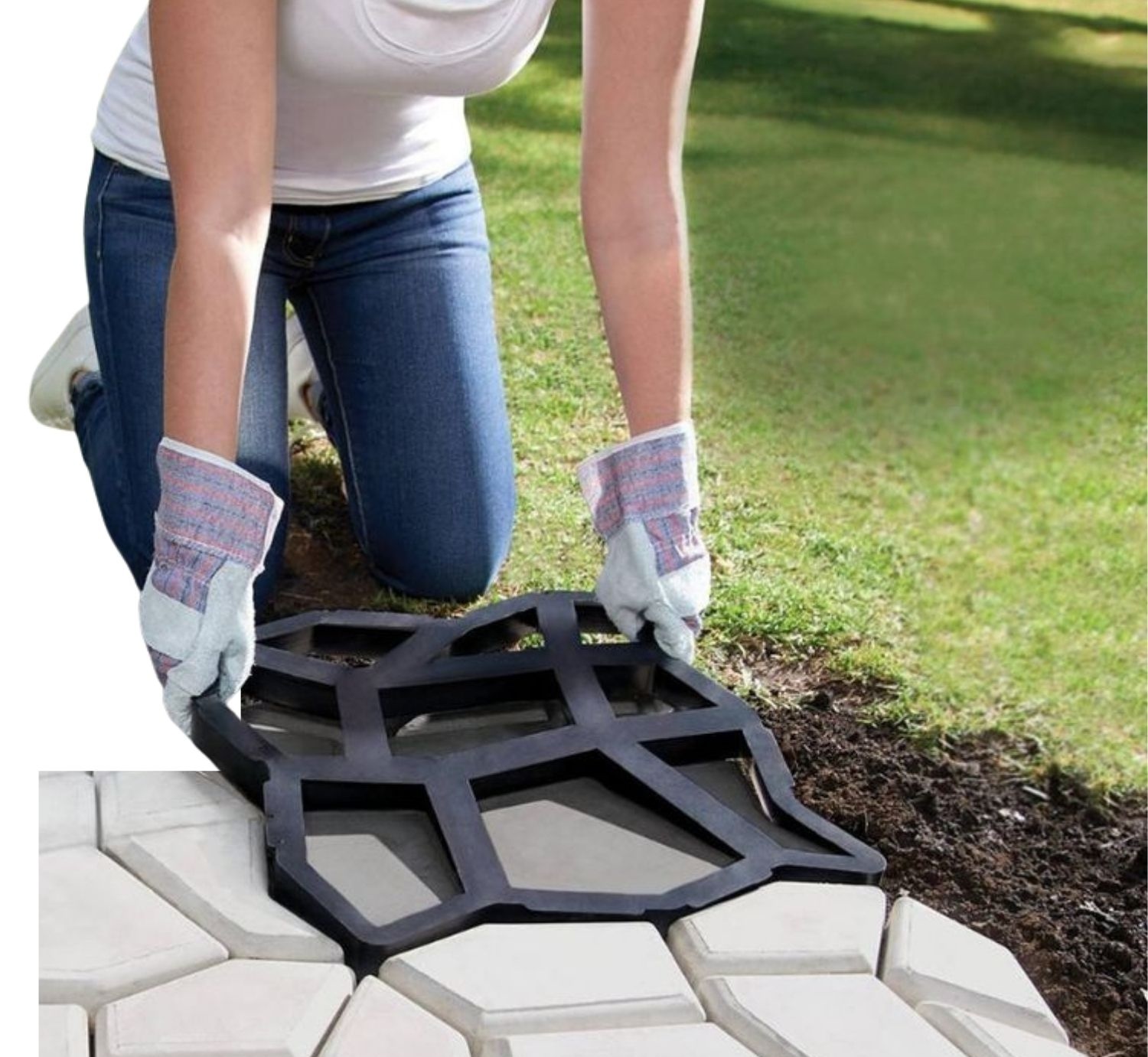
best concrete paver mold company near me

Search For A Product

Paver Moulds

Accessories

Welcome To The Concrete Mould Shop

If you are looking for a cost effective way to create a garden walkway, stepping stones or patio area …. we have the solution.

Z

EASY DIY PROJECT

Super practical garden concrete mould that will help you create a sensational walkway or patio area easily and quickly

Z

HEAVY DUTY & REUSABLE

Garden stone moulds are made from heavy duty polycarbonate plastic and can be re-used over and over agin … right after you pour your first garden stepping stone

Z

INCREASE YOUR PROPERTY VALUATION

Increase the value of your property with beautifully created landscaped walk ways and path ways and patio areas without the huge expense of emplying trades people

diy stepping stone mold

Does it cost a lot to make your own concrete pavers?

If you are already looking into either adding or replacing your patio, driveway, or walkway, you have probably already encountered the plethora of options available in the world of paving materials, all of which have different levels of durability and require different kinds of maintenance.

Depending on what you need, all of these options have different advantages and disadvantages.

Cement pavers, for example, look great and come in a variety of shapes and sizes so that you can greatly enhance the overall look of your yard or garden. The downside to these pre-made pavers, however, is that they are quite expensive, and will add up very quickly if you need to buy a large or even moderate number of stones.

But did you know that you can make your own concrete pavers for a fraction of the cost, and that it is not even all that difficult?

Most hardware stores will carry moulds for making cement pavers, but if you prefer you can make your own moulds out of plywood.

Keep in mind, however, that you need to leave your paver inside the mould for at least two weeks, so you need to have multiple moulds, ideally as many moulds as the number of pavers you want to create unless you want the process to take an enormous amount of time.

If you are happy to work on your project slowly and a little bit at a time, then being able to produce 10-20 pavers at a time might be enough.

To give you an idea of the kind of money you can save by making your own pavers, here is what I have experienced during my own re-landscaping projects.

The cost of a torn bag of cement (ask the manager for cement that has been processed and reduced; the clerks will try to sell you the more expensive stuff) that will produce 2 pavers costs between $1.00 to $1.52, whereas a ready-made 16×16 paver will cost $3.97.

This means that making your own cement pavers will save you $2.45 to $2.97 per paver, and especially if you are undertaking a larger scale paving project, this can add up to an enormous amount of savings.

I use a flagstone mould that cost $15 and can make 10 stones at a time (it makes for slower work because I can only produce 10 stones every couple of weeks, but I have the time; if you want to produce more stones at a time you can easily buy extra moulds like this to speed up the process while still saving a lot of money).

Then I buy an 80lb bag of torn cement for about $2.50 and this fills up the mould two and a half times (so yes, it is extremely cheap, and there is no reason not to undertake even a large-scale landscaping project so long as you have the time and energy for it). So long as you can lift and handle the 80lb bag of concrete, pouring concrete flagstones is a very simple process and you will be feeling like an expert at it in no time: there is really no need to hire a professional or pay for professionally made stones as the process is dead easy.

So in conclusion, if you have the motivation, the time, and the energy, you can create your own cement pavers for a fraction of the overall cost of buying ready-made ones. If you enjoy home improvement projects then you will have more fun this way, and in the end your property will feel more like your own because you have put the work into it yourself.

  • image/svg+xmlimage/svg+xml
    How can I add colour to pavers made with Concrete Stepping Stone Molds?

    How can I add colour to pavers made with Concrete Stepping Stone Molds? You can add colour by using integral pigments in the concrete mix. Alternatively, you can stain the surface after curing for a customised finish that complements your garden or outdoor area’s aesthetic.

  • image/svg+xmlimage/svg+xml
    What makes a Concrete Paver Mold a cost-effective solution for paving?

    What makes a Concrete Paver Mold a cost-effective solution for paving? A Concrete Paver Mold reduces the need for costly pre-made pavers. You can make your own custom pavers using affordable materials, which cuts down on material costs and labour, saving money for large paving projects.

  • image/svg+xmlimage/svg+xml
    What is the best way to level pavers created with a Concrete Paver Mold?

    What is the best way to level pavers created with a Concrete Paver Mold? Ensure a level base by compacting the soil and screeding sand before placing the pavers. Use a rubber mallet to tap each paver gently into position, checking with a spirit level to keep everything uniform and stable.

  • image/svg+xmlimage/svg+xml
    How does a Cement Paver Molds help with DIY paving projects?

    How does a Cement Paver Molds help with DIY paving projects? Cement Paver Molds simplify DIY paving by providing easy-to-use templates for creating pavers at home. They reduce the need for custom cutting, giving you uniform results and a professional look for any outdoor path or patio.

  • image/svg+xmlimage/svg+xml
    How does a Concrete Paver Mold reduce installation time?

    How does a Concrete Paver Mold reduce installation time? A Concrete Paver Mold speeds up the process by allowing you to produce multiple pavers at once. The interlocking design enables quicker placement, cutting the time spent on layout by as much as 50% compared to traditional methods.

  • image/svg+xmlimage/svg+xml
    How can I create a pattern with Concrete Stepping Stone Molds for my garden?

    How can I create a pattern with Concrete Stepping Stone Molds for my garden? Arrange the Concrete Stepping Stone Molds in a grid, herringbone, or random pattern to fit the style of your garden. You can also combine different moulds for a customised design that adds visual interest to your garden paths.

  • image/svg+xmlimage/svg+xml
    Can Concrete Stepping Stone Molds be used for creating paths around trees?

    Can Concrete Stepping Stone Molds be used for creating paths around trees? Yes, Concrete Stepping Stone Molds are perfect for creating custom paths around trees. The interlocking design allows for a flexible layout that adapts to the natural shape of your garden, while providing a stable, attractive path.

  • image/svg+xmlimage/svg+xml
    How can I customise the look of pavers made with Concrete Stepping Stone Molds?

    How can I customise the look of pavers made with Concrete Stepping Stone Molds? You can customise pavers by adding decorative aggregates, using different concrete colours, or brushing on a textured finish before they set. This allows for a completely unique look tailored to your design.

  • image/svg+xmlimage/svg+xml
    How do I align Cement Paver Molds for a perfect finish?

    How do I align Cement Paver Molds for a perfect finish? For a perfect finish, use a string line to guide your placement. Keep the pavers aligned with a spirit level and check for uniform spacing. The interlocking nature of Cement Paver Molds makes it easy to achieve a straight and clean look.

  • image/svg+xmlimage/svg+xml
    Can Concrete Paver Molds be used for both small and large projects?

    Can Concrete Paver Molds be used for both small and large projects? Yes, Concrete Paver Molds are highly versatile and can be used for both small garden paths or large driveways and patios. Simply adjust the layout and number of moulds used to accommodate the scale of the project.

  • image/svg+xmlimage/svg+xml
    How can I achieve a custom look with Concrete Paver Molds?

    How can I achieve a custom look with Concrete Paver Molds? You can customise Concrete Paver Molds by adding different textures, using coloured aggregates, or experimenting with concrete stains. This allows you to create unique patterns and finishes tailored to your specific landscape design.

  • image/svg+xmlimage/svg+xml
    How long should I wait before removing pavers from a Concrete Stepping Stone Mold?

    How long should I wait before removing pavers from a Concrete Stepping Stone Mold? Wait at least 24–48 hours for the concrete to set before removing the pavers. The concrete needs time to harden, ensuring the pavers stay intact without damage when you release them from the mold.

  • image/svg+xmlimage/svg+xml
    Can Cement Paver Molds help with the creation of curved paths?

    Can Cement Paver Molds help with the creation of curved paths? Yes, you can adjust the layout of Cement Paver Molds to follow a curved design. By shifting the position of each paver slightly, you can create smooth, flowing curves for garden paths, giving your outdoor space a more organic feel.

  • image/svg+xmlimage/svg+xml
    How can Cement Paver Molds improve the aesthetic of my garden?

    How can Cement Paver Molds improve the aesthetic of my garden? Cement Paver Molds allow you to create uniform yet unique pavers that blend seamlessly with your garden design. The interlocking layout enhances visual interest and makes your outdoor space look more polished and professionally finished.

  • image/svg+xmlimage/svg+xml
    Is it easy to maintain pavers created with Cement Paver Molds?

    Is it easy to maintain pavers created with Cement Paver Molds? Yes, pavers made with Cement Paver Molds are low-maintenance. Simply sweep regularly and rinse off debris. You can also seal the surface to prevent staining and keep your pavers looking fresh for years.

  • image/svg+xmlimage/svg+xml
    Are Cement Paver Molds durable enough for high-traffic areas?

    Are Cement Paver Molds durable enough for high-traffic areas? Yes, when installed correctly with proper base preparation and reinforcement, Cement Paver Molds create durable pavers that can withstand heavy foot traffic. Ensure adequate curing time for long-lasting, resilient surfaces.

  • image/svg+xmlimage/svg+xml
    What is the best base material to use with Cement Paver Molds?

    What is the best base material to use with Cement Paver Molds? The best base material for Cement Paver Molds is compacted gravel or crushed stone, followed by a sand layer. This ensures proper drainage, stability, and prevents the pavers from settling over time.

  • image/svg+xmlimage/svg+xml
    Can a Concrete Paver Mold be used in areas with heavy foot traffic?

    Can a Concrete Paver Mold be used in areas with heavy foot traffic? Yes, when properly installed, Concrete Paver Molds create durable pavers that can handle high traffic. Using a solid base and proper reinforcement ensures long-term stability, even in busy garden areas or driveways.

  • image/svg+xmlimage/svg+xml
    Can Concrete Stepping Stone Molds be used for creating a backyard path?

    Can Concrete Stepping Stone Molds be used for creating a backyard path? Absolutely. Concrete Stepping Stone Molds are perfect for creating winding, organic-looking paths in your backyard. The unique shapes add visual interest and allow for easy walking through gardens or grass areas.

  • image/svg+xmlimage/svg+xml
    Are Cement Paver Molds suitable for creating edging and borders?

    Are Cement Paver Molds suitable for creating edging and borders? Cement Paver Molds work perfectly for creating neat, uniform borders around gardens, walkways, or patios. The pavers made from these molds are ideal for maintaining straight, well-defined edges, enhancing the structure of your outdoor spaces.

  • image/svg+xmlimage/svg+xml
    What is the advantage of using Cement Paver Molds for larger paving areas?

    What is the advantage of using Cement Paver Molds for larger paving areas? Cement Paver Molds allow for consistent production of pavers, making large-scale projects more manageable. They also ensure uniformity across the entire space, which reduces the need for recalibration and makes installation more efficient.

  • image/svg+xmlimage/svg+xml
    How do I prevent my Cement Paver Molds from sticking to the concrete?

    How do I prevent my Cement Paver Molds from sticking to the concrete? To prevent sticking, apply a light coat of mould release spray before pouring the concrete. This will ensure the pavers come out cleanly without damaging the edges, leaving you with a smooth, professional finish.

  • image/svg+xmlimage/svg+xml
    Are Cement Paver Molds suitable for creating a driveway?

    Are Cement Paver Molds suitable for creating a driveway? Yes, when properly reinforced, Cement Paver Molds can create strong, durable pavers that are ideal for light to medium traffic driveways. Proper installation and base preparation ensure a stable surface that can handle vehicle loads.

  • image/svg+xmlimage/svg+xml
    Can I use Concrete Stepping Stone Molds for creating a patio surface?

    Can I use Concrete Stepping Stone Molds for creating a patio surface? Yes, Concrete Stepping Stone Molds are perfect for patios. Their versatile shapes allow you to create unique, modular patio floors, providing both aesthetic appeal and a solid, functional surface for outdoor dining or lounging areas.

  • image/svg+xmlimage/svg+xml
    Can Concrete Stepping Stone Molds create unique garden pathways?

    Can Concrete Stepping Stone Molds create unique garden pathways? Yes, Concrete Stepping Stone Molds are perfect for custom garden paths. The modular design lets you create organic, irregular layouts, giving your garden a natural, personalised feel while providing sturdy walking surfaces.

  • image/svg+xmlimage/svg+xml
    Are Concrete Stepping Stone Molds practical for creating a low-maintenance garden?

    Are Concrete Stepping Stone Molds practical for creating a low-maintenance garden? Yes, Concrete Stepping Stone Molds create solid walking paths that minimise soil compaction in garden areas, making it easier to care for plants and reducing the need for excessive weeding or watering.

  • image/svg+xmlimage/svg+xml
    Are Cement Paver Molds suitable for creating a patio in a small space?

    Are Cement Paver Molds suitable for creating a patio in a small space? Yes, Cement Paver Molds can be used to create small-scale patios with a professional finish. The pavers’ modular design ensures that even tight, constrained areas can be transformed into stylish, functional outdoor spaces.

  • image/svg+xmlimage/svg+xml
    Can Concrete Stepping Stone Molds be used for creating decorative features?

    Can Concrete Stepping Stone Molds be used for creating decorative features? Yes, Concrete Stepping Stone Molds are ideal for making unique, decorative features like garden stepping stones or focal points in your landscape design. Their versatility allows you to experiment with textures and shapes for custom designs.

  • image/svg+xmlimage/svg+xml
    What is a Concrete Paver Mold used for in landscaping?

    What is a Concrete Paver Mold used for in landscaping? A Concrete Paver Mold allows you to create custom pavers for paths, patios, and driveways. It helps achieve consistent shapes and sizes, reducing labour while ensuring a professional finish for your outdoor spaces.

Concrete Paver Mold & Cement Paver Molds: Your Complete Guide to DIY Paths, Patios, and Garden Stepping Stones

Ready to build a gorgeous path or patio without hiring a crew? With the right Concrete Paver Mold, you can pour professional-looking pavers right at home—on your schedule and at your pace. This guide walks you through everything you need to know about Cement Paver Molds and Concrete Stepping Stone Molds, from choosing shapes and sizes to mixing concrete, demolding, curing, sealing, and long-term maintenance. Let’s turn that blank outdoor space into something beautiful—one mold at a time.


Why Choose Concrete Paver Molds?

Think of molds as your paver “printer.” They give you consistent shapes, crisp edges, and design freedom you simply can’t get with store-bought stones. You control the mix, the color, the texture, and the pattern. Plus, when the mold pays for itself after a few pours, you can keep creating matching pavers for borders, fire pit circles, or surprise design upgrades later on.

Benefits at a Glance

  • Customization: Pick your color, texture additive, and stone style.
  • Consistency: Each pour matches the last, so your layout looks cohesive.
  • Scalability: Start small with a walkway; expand to a patio or driveway edging.
  • Durability: With proper curing and sealing, molded pavers stand up to weather and foot traffic.
  • Creative Fun: It’s part craft project, part construction—and totally satisfying.

Meet the Family: Mold Types & What They’re Best For

Not all molds are created equal. Here’s how to match the Concrete Paver Mold to your project vision.

Interlocking Cement Paver Molds

Interlocking designs click together like puzzle pieces, keeping lines straight and gaps tight. They’re ideal for patios and paths where you want a tidy, geometric look with superior stability.

Random Stone Pattern Molds

Prefer a natural, hand-laid vibe? Random stone patterns mimic the organic shapes you see in flagstone paths. They’re great for garden trails, side yards, and cottage-style patios.

Concrete Stepping Stone Molds

Simple, round or square stepping stones are perfect for quick wins: a path across a lawn, access to raised beds, or a playful hop-stone trail for kids. These Concrete Stepping Stone Molds pour fast and demold easily.

Border & Edging Molds

Create clean transitions between lawn and mulch beds or define your patio’s perimeter. Edging molds help keep gravel and soil in place while framing your main pavers.

Specialty Texture & Stamped Molds

Some molds feature wood-grain, slate, or brick textures right in the form. Add integral color or a light antique wash after curing for insanely realistic finishes.

Choosing the Right Mold Material: Plastic vs. Polyurethane vs. Silicone

Material matters. It affects durability, flexibility, and how easy it is to release the paver.

High-Density Plastic (HDP)

Pros: Affordable, lightweight, quick to clean. Best for: Straight lines, interlocking patterns, beginners. Consider: Not as flexible as silicone—use a release agent for smoother demolding.

Polyurethane Molds

Pros: Durable with a bit of flex; handles detailed textures well. Best for: Repeated use, textured surfaces. Consider: Slightly heavier; store flat to maintain shape.

Silicone Molds

Pros: Superb release, fantastic for intricate shapes. Best for: Stepping stones, specialty designs, high detail. Consider: Typically higher initial cost but excellent demold performance.

Project Planning: Layout, Quantity & Pattern

A little planning goes a long way. Sketch the area, measure total square footage, then select your paver size. Divide area by the coverage of one mold pour to estimate how many pours you’ll need. If you want to speed things up, consider using two or three identical molds at once so you can leapfrog pours as they cure.

Popular Layout Patterns

  • Running Bond: Simple, classic, easy to install.
  • Herringbone: Strong and eye-catching—great for paths with curves.
  • Random Stone: Organic, less strict alignment, hides small errors well.
  • Basket Weave: Charming old-world look for patios and courtyards.

What You’ll Need: Tools & Materials Checklist

Before you pour your first paver, gather your essentials:

  • Selected Concrete Paver Mold, Cement Paver Molds, or Concrete Stepping Stone Molds
  • Concrete mix (standard or high-strength); optional polymeric additives
  • Integral color or mineral pigments (optional)
  • Release agent (spray oil, mold release, or light cooking spray)
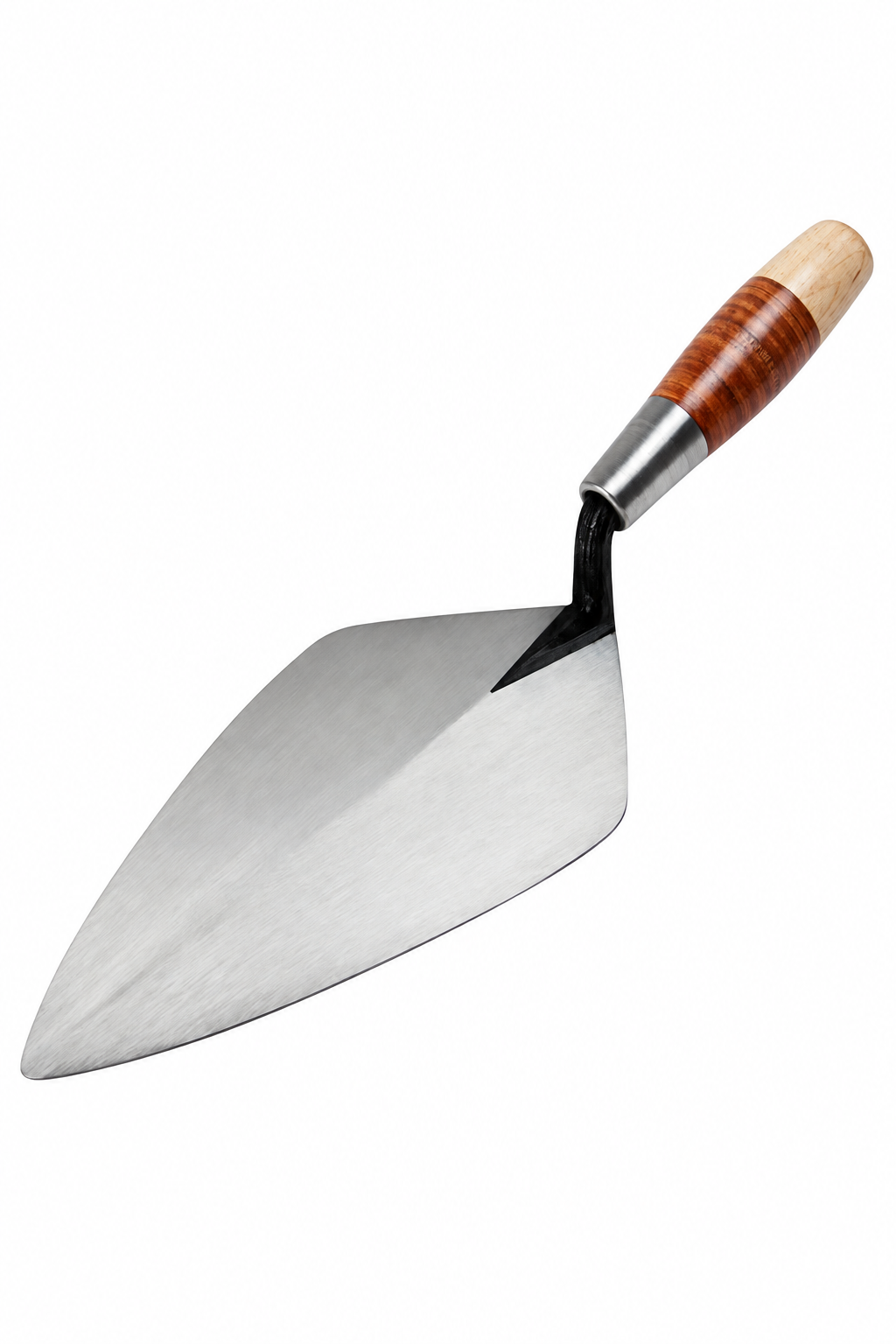
  • Trowel, margin trowel, float, and concrete edger (optional)
  • Wheelbarrow, mixing tub, or concrete mixer
  • Measuring bucket and water source
  • Rubber mallet (for settling molds)
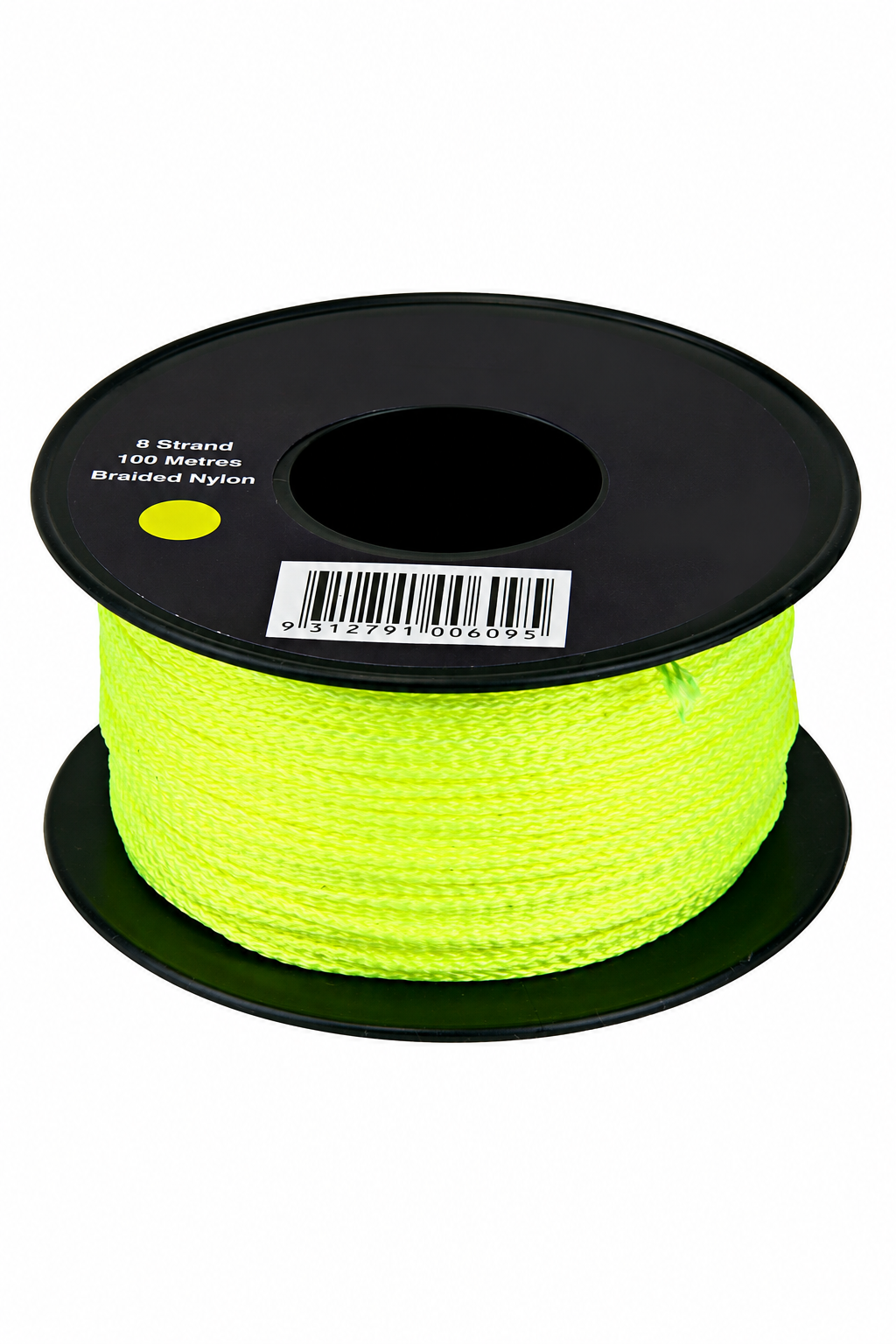
  • Level, tape measure, string line
  • Compactor or hand tamper (for base prep)
  • Gravel base and sand leveling layer
  • Gloves, eye protection, and dust mask

Base Prep 101: The Secret to Long-Lasting Pavers

Even the best paver looks bad if the base is wrong. Carve out the area to a depth that accommodates your paver thickness plus a compacted gravel base (typically 3–4 in / 7–10 cm) and a thin sand leveling layer. Compact the gravel in 2-inch lifts, then screed the sand smooth. A flat, well-drained base prevents settling and frost heave.

Drainage Tips

  • Pitch the surface away from structures (about 1/8–1/4 inch per foot).
  • Use landscape fabric under gravel to limit weed growth and soil migration.
  • In rainy climates, consider a French drain or permeable joint sand.

How to Use Your Cement Paver Molds: Step-by-Step

Time to pour! Follow these steps for pro-level results on day one.

1) Prep the Mold

Clean and dry the mold. Lightly coat with a release agent—especially for detailed textures or new molds. Set the mold on your leveled, compacted sand or on a flat worktable if you’re casting offsite.

2) Mix the Concrete

Follow the bag instructions. Aim for a consistency like thick oatmeal: wet enough to flow into corners, dry enough to hold shape when demolded. Add integral pigment now if you’re coloring the entire paver.

3) Fill the Mold

Shovel or pour the mix into the mold, slightly overfilling. Use a trowel to work concrete into edges and textures. Tap the sides of the mold or use a rubber mallet to vibrate out air bubbles.

4) Screed & Smooth

Level the surface with a straight board or trowel. If you want a beveled edge, run an edger along the perimeter. For a non-slip texture, finish with a light brush stroke after initial set.

5) Initial Set & Demold

Allow the concrete to firm up until the surface dulls and fingerprints don’t sink deeply. Carefully lift the mold straight up. If it sticks, gently flex (silicone/PU) or tap the sides (plastic). Move the mold forward and repeat.

6) Cure Properly

Curing is where the magic happens. Keep fresh pavers lightly misted or covered with plastic for at least 24–48 hours, then let them continue curing for several days. The longer the cure, the stronger the paver.

Pro Tips for Stunning Results

Color Like a Pro

  • Integral Color: Mix pigment into the batch for through-body color.
  • Antique Wash: After curing, wipe diluted pigment into crevices, then seal.
  • Dry-Shake Hardeners: For advanced users—broadcast on fresh concrete for a dense, colored surface.

Texture & Detail

  • Add fine aggregate for subtle grip and stone-like texture.
  • Lightly roll a texture mat over the surface (before final set) for extra realism.
  • Embed leaves, shells, or pebbles in stepping stones for custom art.

Strength & Longevity

  • Use a high-strength mix or add reinforcing fibers for heavy-traffic zones.
  • Keep edges supported with a border or curb to prevent lateral movement.
  • Seal pavers once they’re fully cured to resist stains, algae, and UV fade.

Installation Options: Cast-In-Place vs. Off-Site Casting

You can mold pavers directly in the final location (fast layout, instant gratification) or cast them separately and install later (more control, batch quality). Both work—pick the method that suits your schedule and space.

Cast-In-Place

Set the mold on your prepared base, pour, lift, and move on. Great for long paths and consistent spacing. Just keep your base perfectly level as you go.

Off-Site Casting

Use a flat table, pour in batches, and cure indoors or under cover. When ready, set pavers on a prepared base with a thin sand bed. This method is ideal for colored or specialty pieces.

Sealing, Jointing & Finishing Touches

Once pavers have fully cured, sweep fine sand into joints or use polymeric joint sand for better weed resistance. Apply a suitable concrete sealer for enhanced color, stain resistance, and easier cleaning. Choose matte for a natural stone look or gloss for a wet-stone sheen.

Edging for Stability

Install paver edging (plastic, metal, or poured border) to lock the field in place. A stable edge keeps everything tight through seasons and traffic.

Maintenance: Keep Your Patio Looking Fresh

Concrete is tough, but a little love goes a long way.

Routine Care

  • Blow off leaves and debris to prevent staining.
  • Spot clean with mild detergent; pressure wash gently if needed.
  • Reapply sealer according to the product schedule for ongoing protection.

Weed & Moss Control

Polymeric sand helps, but if weeds pop up, remove them before they root deeply. For mossy, shaded areas, improve drainage and sunlight exposure or use a concrete-safe cleaner.

Design Ideas to Spark Your Imagination

Stuck on style? Try these combinations and themes:

Modern Minimal

Use large rectangular Cement Paver Molds in cool gray with tight joints. Add a matte sealer for a smooth, architectural finish.

Rustic Cottage

Choose random stone molds, warm integral color, and a soft antique wash. Plant creeping thyme in wider joints for a fairy-tale path.

Zen Garden

Round Concrete Stepping Stone Molds with natural pebbles embedded on top. Space them through raked gravel for a calm, contemplative walkway.

Entertainer’s Patio

Interlocking pavers in a herringbone layout with a contrasting border. Add string lights and planters to finish the look.

Frequently Asked Questions

How many pours will I need for a small patio?

Calculate your patio’s square footage and divide by the coverage of one mold pour. If your mold covers 2 sq ft and your patio is 120 sq ft, you’ll need about 60 pours. Using multiple molds in rotation speeds up the process.

Can I color my pavers?

Absolutely. Add integral pigment to the mix for solid color, or apply a color wash after curing for depth and variation.

Do I need rebar or mesh?

For standard walkways, a high-quality mix is enough. For driveways or heavy loads, consider fibers or light wire reinforcement, and ensure an excellent base.

How long before I can walk on them?

Light foot traffic is often okay after initial curing (check your mix guidelines), but full strength takes longer. Let them cure thoroughly before placing heavy furniture or planters.

Will the molds wear out?

With proper care and release agents, quality molds handle many cycles. Clean after each use and store flat away from direct sun to extend life.

Buying Guide: What to Look for in a Concrete Paver Mold

When you’re shopping, keep these criteria in mind:

1) Shape & Size Variety

Do you want square tiles, rectangles, natural stone patterns, or statement stepping stones? Match the mold style to your layout goals and yard scale.

2) Material Quality

Look for heavy-duty plastics, polyurethane, or thick silicone that resists warping and delivers clean edges.

3) Release Performance

Fine textures demand a mold that releases easily. Silicone excels here; plastic with a light release agent also performs well.

4) Reusability & Care

Check cleaning instructions and storage recommendations. Molds with reinforced ribs or thicker walls tend to last longer.

5) Compatibility With Additives

If you plan to use pigments, fibers, or surface hardeners, choose mold materials known to play nicely with enhanced mixes.

Safety First: Smart, Simple Precautions

Concrete work is straightforward, but protect yourself:

  • Wear gloves and eye protection, especially when mixing and pouring.
  • Use a dust mask when handling dry mix and pigments.
  • Lift molds and bags safely; use a wheelbarrow for heavier loads.

Troubleshooting Common Issues

Pavers Sticking to the Mold

Use a proper release agent, ensure the mold is clean, and let the concrete reach a firm initial set before lifting.

Surface Bubbles or Pinholes

Tap or vibrate the mold after filling to release trapped air. Slightly wetter mixes often flow into details better.

Cracking

Cracking typically points to a weak base, rushed curing, or mixes that are too dry. Reinforce edges and follow a steady curing routine.

Uneven Joints

Check your base level often and use spacers or string lines to maintain consistent gaps, especially with interlocking molds.

Going the Extra Mile: Advanced Techniques

Two-Tone & Veining Effects

Drop a contrasting pigment into the top surface and swirl with a trowel to mimic natural stone veining.

Inlays & Embedded Accents

Press decorative stones, glass beads, or metal medallions into the surface before final set. Seal thoroughly once cured.

Permeable Joints

Use larger joints filled with decorative gravel or permeable joint sand to promote drainage and reduce runoff.

Why Our Molds?

We obsess over the little things so your project looks anything but “DIY.” Crisp edges, smart ribbing for rigidity, clean release, and a wide range of sizes and styles—our Concrete Paver Mold lineup helps you build a space you’ll be proud of. Whether you’re laying a modern patio, carving a woodland path, or crafting whimsical stepping stones, you’ll find the perfect fit here.

What Sets Our Cement Paver Molds Apart

  • Reliable Consistency: Repeatable results pour after pour.
  • Design Breadth: From interlocking geometric sets to natural stone patterns.
  • Ease of Use: Beginner-friendly with pro-level finishes.
  • Care & Support: Clear instructions and tips for long-lasting molds.

Quick Start: Your First Weekend Project

Want an easy win? Try this two-day stepping-stone path using our Concrete Stepping Stone Molds.

Day 1

  1. Plan your path with a garden hose as a guide.
  2. Scoop shallow footprints for each stone and compact the soil.
  3. Mix concrete, add integral color if you like, and pour into molds placed on a flat board.
  4. Tap out bubbles, smooth the top, and demold once set. Keep covered to begin curing.

Day 2

  1. Bed each stone on a thin layer of sand so the tops sit just above ground level.
  2. Check spacing and level as you go.
  3. Backfill around each stone, tamp lightly, and admire your new path.

Eco-Conscious Tips

Concrete is long-lasting by design. To make your project even greener:

  • Use local aggregates to reduce transport footprint.
  • Choose permeable joints to support groundwater recharge.
  • Build once, maintain well—longevity is sustainability.

Care & Storage for Long Mold Life

Rinse molds after each session. Avoid harsh scrubbing tools that can scuff detailed textures. Dry fully and store flat in a cool, shaded place. A little care now means many more pours later.

Customer-Style Use Cases

The Weekend Warrior

Build a 30-foot garden path with a single random stone mold in two weekends. Start with the walkway, then add a matching patio border later.

The Design Tinkerer

Batch-cast pavers in multiple natural tones. Mix and match for a subtle mosaic effect that looks custom—because it is.

The Family Project

Kids can help pour stepping stones and add handprints or dates (supervise and use safety gear). Seal them to preserve those memories for years.

Before You Pour: Quick Checklist

  • Base excavated, gravel compacted, sand screeded?
  • Molds clean, dry, and lightly coated with release?
  • Concrete mixed to the right consistency?
  • Color, textures, and edges planned?
  • Moist curing schedule in mind? (Cover or mist for strength.)

Get Started Today

Browse our collection of Concrete Paver Mold styles, including interlocking Cement Paver Molds and decorative Concrete Stepping Stone Molds. Pick your pattern, grab a bag of mix, and pour your first stone. That dream patio or winding garden path? It’s closer than you think.

Conclusion: Build Spaces You Love—One Mold at a Time

Outdoor projects don’t need to be complicated to look incredible. With quality molds, a solid base, and a bit of creativity, you can craft paths, patios, and stepping stones that feel custom—because you made them. Choose the right Concrete Paver Mold, follow the steps above, and enjoy a space that’s as durable as it is beautiful. Ready to start? Your next favorite spot in the yard is waiting.